Mental health: The impact of Covid on Gen Z – six years later
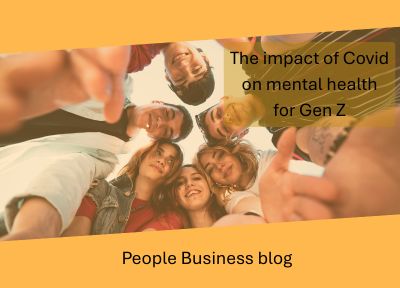
Covid-19 struck Gen Z (those born between 1997-2012) in their most formative years. The earlier-born people of this generation were finishing university and
seeking their first job, while the later-born people were just starting primary school. Every event and milestone in between was disrupted for them – learning social skills, hands-on learning, exams, prom, graduating, learning to drive, getting their first job, forming relationships – for Gen Z all of this was affected, so it is no wonder that Gen Z struggle with their mental health more than the average generation. As the majority of Gen Z are now in the workforce, this is an important issue for employers to understand and respond to.
The impact on mental health
One of the clearest impacts of the pandemic was its effect on young people’s mental health. Anxiety disorder rates worldwide among 10- to 24-year-olds had been edging up for some time, but the trend steepened sharply in 2019–2021. Over those two years, incidence increased by around 12.5% each year, versus an annual rise of under 0.5% across the previous 15 years (Science Insights, 2026). Factors such as social isolation, financial uncertainty, upheaval to daily routines, and the pressure of switching to online learning all contributed to the surge.
What Gen Z needs from employers
Gen Z has entered the workplace after years of uncertainty and disrupted education, so they often value stability and clarity as much as flexibility. Their career values also shape what they look for from employers, including development opportunities, purpose and transparency. In practice, that means transparent expectations (what ‘good’ looks like), predictable feedback and managers who follow through. They also tend to notice culture quickly – if inclusion is lived day-to-day, whether wellbeing is only talked about, and if it feels safe to ask questions or admit when they’re struggling.
Easy and actionable tips include:
- Clear onboarding and ‘how we work’ guidance (ways of working, communication norms, meeting expectations).
- Regular check-ins and development conversations (not just annual reviews).
- Realistic workloads and permission to set boundaries (especially around hybrid/remote working).
- Access to support that’s easy to find and stigma-free (EAPs, signposting, adjustments).
What managers can do (and shouldn’t do)
Managers play a huge role in whether early-career employees feel supported or overwhelmed. The goal isn’t to diagnose or ‘fix’ mental health issues; it’s to create the conditions where people can do their best work and feel able to speak up early. Small, consistent actions matter such as, checking in, giving context, and noticing changes in behaviour, confidence or communication.
- Do: ask open questions (‘How are things going at the moment?’), listen without rushing to solutions, and agree practical next steps (priorities, workload, deadlines).
- Do: be specific with feedback and expectations – uncertainty can amplify anxiety.
- Do: signpost to the right support (HR, Occupational Health, EAP) and record agreed adjustments where appropriate.
- Don’t: minimise (‘everyone feels stressed’), compare experiences, or push for personal details someone doesn’t want to share.
- Don’t: make promises you can’t keep – reliability builds trust.
Building capability and culture
Supporting Gen Z mental health at work isn’t just a wellbeing initiative – it’s a business issue. When people feel psychologically safe and well-supported, organisations see stronger engagement, fewer avoidable absences, better learning transfer and improved retention of early-career talent. The most effective approach combines clear processes (onboarding, workload management, escalation routes) with capability-building, so managers and teams know how to have the right conversations.
At People Business, we support organisations through practical training and workshops, for example:
- Mental health awareness for managers (confidence to respond, boundaries, and signposting).
- Psychological safety and inclusive leadership (how to create a speak-up culture).
- Having better conversations (feedback, expectations and performance chats that reduce uncertainty).
- Resilience and wellbeing skills (evidence-informed tools people can actually use day-to-day).
- Early careers support (onboarding, confidence, communication and thriving in the first 12 months).
If you’d like to explore how to better support Gen Z (and your wider workforce) through targeted management development and practical wellbeing skills, we’d love to help. Alongside our workshops, our new Learning for all microlearning offers accessible learning for all role levels – including short courses on psychological safety and setting boundaries for just £10 per person. Get in touch with People Business to discuss the right mix of learning for your culture, challenges and people priorities.
Get in touch